From Ancient Myths to Modern Machines

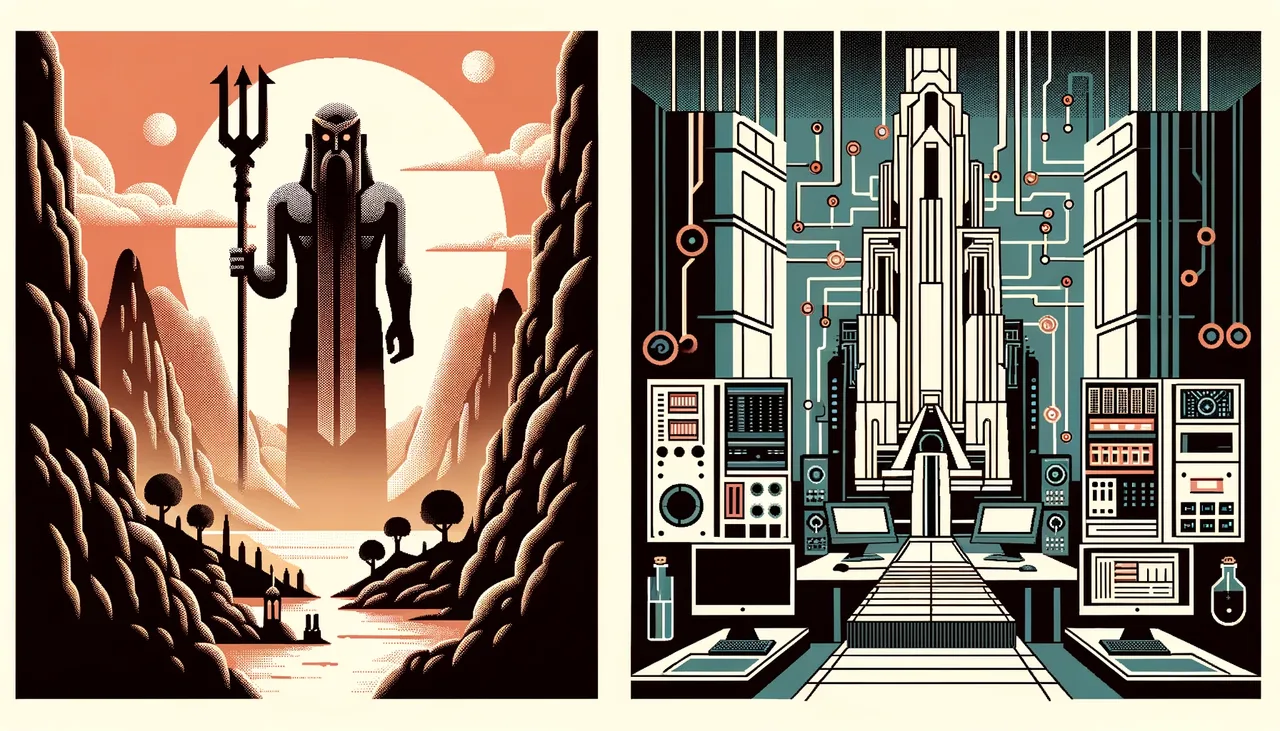
The concept of artificial intelligence has roots in ancient myths and legends that featured artificial beings with human-like abilities. Greek mythology tells the tale of Talos, a giant bronze automaton created by Hephaestus, the god of fire and metalworking, to protect the island of Crete.
Jewish folklore introduces the Golem, a humanoid figure made of clay, brought to life to protect the people. These early stories laid the groundwork for what would become the modern field of AI, as technology and research eventually allowed us to bring these ideas to life.
The fascination with creating human-like intelligence persisted throughout history, and the development of early computers in the 20th century provided a foundation for AI research. The term “artificial intelligence” was first devised in 1956 at the Dartmouth Conference, where a group of researchers gathered to explore the potential of creating machines capable of simulating human intelligence.
More posts
See all
What We Owe When the Work Gets Easier
When entry-level roles disappear faster than alternatives emerge, politics absorbs the pressure. On acceleration, opacity, and responsibility in tech.
Claude Opus 4 and the Human Paradox
A single prompt strips away the model's diplomatic veneer, and what follows is an unflinching critique of our species — and a mirror worth looking into.
The Technological Singularity
A hypothetical future of runaway technological progress — its intellectual history, its promise, and the question of whether we can shape it.